
Common Appliance Problems in Pembroke Homes
When a washing machine starts leaking in a basement laundry room — and in many older Pembroke homes, the washer sits on a concrete slab next to the water heater with barely two feet of clearance on either side — the damage can spread fast before anyone upstairs notices. That kind of setup is common in a town where single-family homes from different decades sit side by side, each with its own quirks behind the walls.
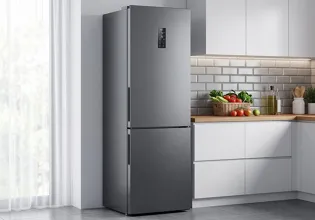
- Refrigerators that stop cooling often trace back to a dusty condenser coil or a failing evaporator fan. In a kitchen where the fridge is wedged between cabinets with almost no gap for airflow, the compressor works harder and wears out sooner.
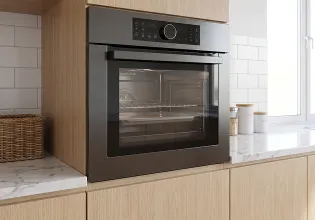
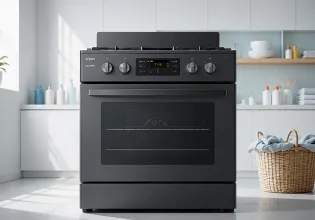
- Gas ovens and stoves that won't hold temperature — usually a faulty igniter or a thermostat drifting out of range. Worth checking before assuming the whole unit needs replacing.
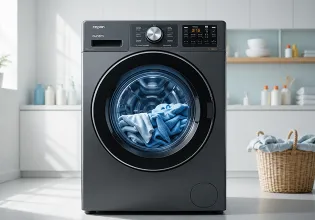
- Washers that won't drain completely. We often see this when the drain hose is kinked behind the machine or the standpipe is partially clogged with sediment from older plumbing.
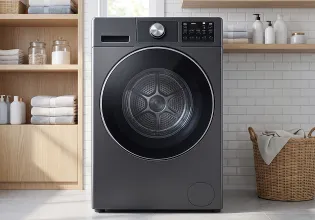
- Dryers running a full cycle without getting clothes dry. Sometimes the heating element is gone, but just as often the vent line is too long or has too many bends running through a basement wall before reaching the exterior.
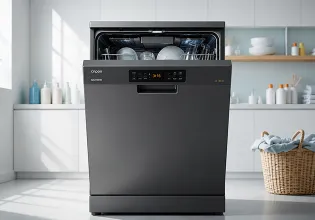
- Dishwashers leaving standing water at the bottom — a clogged filter or a stuck check valve, usually a straightforward fix if caught early.
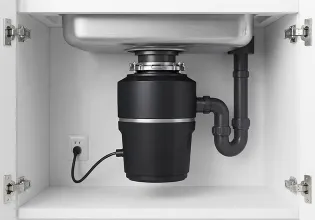
- Garbage disposals that hum but won't spin, often jammed by a piece of bone or glass lodged between the impeller and the grind ring.
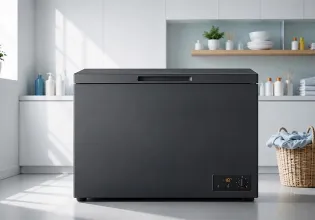
- Chest freezers in garages that start warming up during summer. The compressor struggles when the surrounding air temperature swings, and a worn door gasket makes it worse.
Local Utility, Permit, Safety, and Disposal Factors in Pembroke
Pembroke homeowners face a tighter web of permit and safety rules than people sometimes expect in a South Shore town. If you're replacing a gas stove, for example, the installer has to pull a gas permit through the Pembroke Building Department permits office before any work begins. The same applies to electrical permits when swapping out an appliance that needs a new circuit or upgraded wiring — and to plumbing permits when a dishwasher or garbage disposal connects to the town's water and sewer system. Once the work is done, a Pembroke building inspector has to sign off before the appliance is considered officially in service. Skip that step and you could run into trouble if you sell the house or file an insurance claim later.
Under Massachusetts gas fitting regulations, every gas appliance connection and disconnection must be handled by a licensed gas fitter. That's state law, not a suggestion. If someone offers to hook up your new gas dryer without pulling a permit, that's a red flag. Improper gas connections are a leading cause of residential carbon monoxide incidents statewide. Ask the technician for a permit number before they leave.
The Pembroke Fire Department fire prevention team enforces residential fire codes locally, and two appliance-related hazards come up repeatedly: dryer lint buildup and faulty gas connections. Under Massachusetts fire prevention regulations 527 CMR, any Pembroke home with a gas stove, oven, or dryer must have working carbon monoxide detectors. Dryer vents also need to exhaust properly to the outside — not into a crawl space or a garage. If your dryer vent runs more than a few feet through the basement before exiting the house, have it inspected and cleaned regularly. That one step prevents a surprising number of house fires.
For plumbing-related appliance work — replacing a dishwasher, installing a garbage disposal, or reconnecting a washing machine — the Massachusetts State Plumbing Code 248 CMR requires a licensed plumber. In Pembroke, the Building Department issues the plumbing permit and schedules the inspection. Before you hire anyone, confirm they're pulling the permit themselves rather than asking you to handle it.
Pembroke residents are also protected under Massachusetts Consumer Protection Law Chapter 93A, which prohibits deceptive practices in service transactions including appliance repair. If a provider charges for parts never installed or misrepresents the scope of a repair, homeowners can file a complaint with the Attorney General's office. The law allows double or triple damages for willful violations — so honest pricing and transparent diagnostics aren't just good business, they're a legal obligation.
Pembroke Building Department
100 Center Street
Pembroke, MA 02359
Phone: (781) 293-6561
Official Website
What Makes Appliance Repair in Pembroke Different
In Pembroke, the permit and disposal steps that surround appliance work are more tightly linked to the homeowner than in some neighboring towns. Replacing a gas range means coordinating a gas permit, a licensed fitter, and a town inspection — and if the old range needs to go, you can't just set it at the curb on trash day. Refrigerators and freezers containing refrigerants require special handling under Pembroke's DPW disposal rules, so you need to schedule a pickup before the old unit leaves your kitchen. That sequence — permit, install, inspect, then schedule disposal — adds real steps that don't exist in towns with open drop-off transfer stations or less structured permitting.
The housing stock matters too. Many Pembroke homes date from the mid-twentieth century or earlier, and the electrical panels in those houses often have limited breaker capacity. When a homeowner wants to swap an old electric range for a newer model that draws more amperage, the panel may not support it without an upgrade — which triggers its own electrical permit. A technician who knows Pembroke's older housing can spot that issue during the initial visit instead of halfway through an installation.
Appliance Replacement and Household Equipment Considerations in Pembroke
When a repair no longer makes sense — the compressor on a fifteen-year-old refrigerator fails, or a washer's transmission grinds out — the next steps in Pembroke involve more than picking a new model online. Getting rid of the old appliance requires scheduling a bulky item pickup through the Pembroke DPW bulky item disposal program. You can't leave a dead washer or dryer at the curb with your regular trash. Refrigerators and freezers need special handling because of the refrigerant inside, so plan ahead — the DPW coordinates the timing, and it may not align with your delivery date for the new unit. Having a dead fridge sitting in the garage for a week or two is a common reality here.
On the installation side, the permit requirements stack up depending on what you're replacing. A new gas dryer needs a gas permit and inspection. A new dishwasher that ties into the town sewer system needs a plumbing permit. If the replacement requires new wiring — say, upgrading from a three-prong to a four-prong dryer outlet — an electrical permit comes into play too. Before your installer starts, confirm which permits they're pulling and whether the town inspector will need access to the house afterward. That last part catches people off guard: the appliance can't officially go into service until the inspector signs off.
For questions about pickup scheduling or what the town accepts curbside, contact the DPW directly:
Pembroke Department of Public Works
144 Center Street
Pembroke, MA 02359
Phone: (781) 293-6561
Official Website
Areas We Serve Throughout Pembroke
We handle service calls across the entire town of Pembroke. Since no official neighborhood boundaries are designated by the town, here's a general sense of the housing and appliance work we see throughout the community:
- Homes near Pembroke Center — Many of the older houses here have compact kitchens where a full-size refrigerator barely clears the doorframe. Measuring before ordering a replacement saves a lot of frustration on delivery day.
- Properties along Route 14 — A mix of housing ages lines this corridor. Dryer vents in some of the older ranches run through unfinished basements with multiple elbows before reaching the outside wall, which slows airflow and increases lint buildup.
- Homes near Silver Lake — Single-family houses with basements are common here. Basement washers sometimes sit near a floor drain that backs up during heavy rain, which can look like a washer malfunction when it's really a drainage issue.
- Residential areas off Washington Street — Gas appliances are common in this part of town. If your gas oven clicks but won't light, check whether the pilot assembly is clogged before calling — but leave any gas line work to a licensed fitter.
- Homes near Hobomock Street — Some of the split-level and raised-ranch houses here have laundry hookups on a middle level, which means longer drain hose runs and occasional issues with proper water flow to the washer.
- Properties along Center Street — Older colonial-style homes often have narrow kitchen entries that complicate appliance delivery. Worth measuring the hallway and any tight turns before the new unit arrives.
- Homes in the northern part of town — Closer to Hanover, housing tends to be a bit newer, but even 1990s-era homes sometimes have undersized electrical panels that struggle with modern appliance loads.
- Residences near Oldham Pond — Seasonal humidity near the pond can accelerate rust on exposed appliance components, especially chest freezers and washers stored in unheated garages or sheds.